
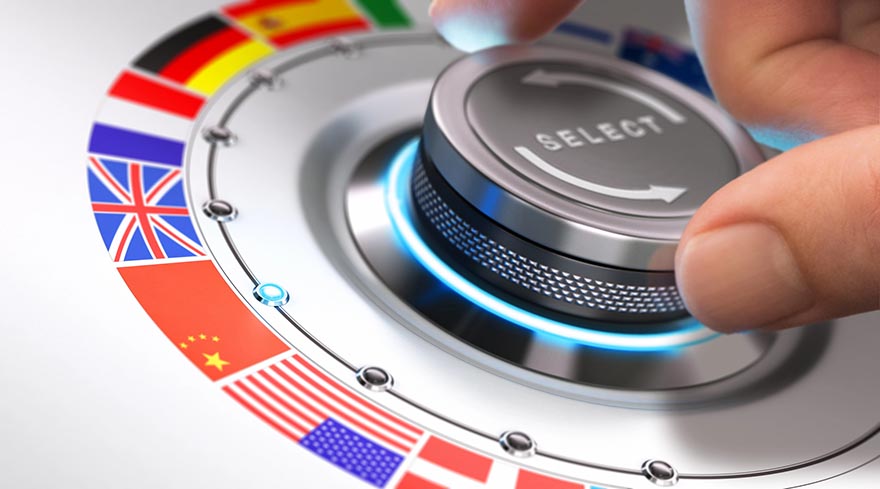
Expanding your business into international markets is an exciting milestone. It opens the door to new customers, increased revenue, and greater brand recognition across the globe. However, many businesses make the mistake of believing that simply translating their existing website into another language is all that's needed to succeed overseas.
While translation is an important part of international expansion, it is only one piece of the puzzle. Every country has its own culture, search habits, buying behaviors, and expectations, meaning a direct translation often falls short of delivering the experience local audiences expect. If you want your international website to perform well, you'll need a strategy that goes far beyond language alone.
Localization Matters More Than Translation
Translation converts words from one language into another, but localization adapts your content to suit a specific audience. This includes everything from currencies and measurements to cultural references, imagery, spelling, and even the tone of your messaging. A phrase that resonates with customers in one country may feel awkward or confusing in another.
By localizing your content, you create a website that feels as though it was built specifically for each market, helping visitors feel more comfortable and increasing the likelihood that they'll engage with your business.
Search Habits Differ Between Countries
One of the biggest misconceptions businesses have is assuming people search for products and services using the same keywords everywhere. Even countries that share the same language often use different terminology. For example, customers in the UK and the United States frequently search using different phrases, despite both speaking English. A direct translation may completely miss the terms your target audience is actually entering into search engines. Carrying out keyword research for each country allows you to optimize your content for local search behavior rather than relying on assumptions.
Your SEO Strategy Needs to Be International
International expansion isn't simply about translating pages. Search engines also need to understand which version of your website should appear in each country. Technical considerations such as hreflang tags, website structure, page speed, mobile optimization, and country targeting all play an important role in helping your website rank effectively across multiple regions.
Many businesses choose to work with an international SEO agency because they have the expertise to develop strategies that combine technical optimization, local keyword research, multilingual content, and international link building. This helps ensure your website performs well in every market you enter while avoiding common mistakes that can limit your visibility.
Build Trust With Local Audiences
Customers are far more likely to buy from businesses that understand their needs. Displaying local contact information, customer testimonials, payment methods, delivery options, and region-specific content helps reassure visitors that your business genuinely serves their market. Small details, such as local holidays, preferred payment methods, or country-specific case studies, can significantly impact trust and conversion rates. Rather than presenting the same website to every visitor, adapting your content shows that you've invested time in understanding each audience.
A strong security framework not only protects critical information but also helps maintain customer trust and business continuity.
User Experience Should Reflect Local Expectations
Website visitors expect an experience that feels familiar. This includes displaying prices in local currencies, providing region-specific shipping information, using date and time formats that match local conventions, and ensuring customer support is available in the appropriate language where possible. These details may seem minor individually, but together they create a smoother experience that encourages visitors to stay on your website and complete enquiries or purchases.
Final Thoughts
Expanding internationally requires much more than translating your existing website. While accurate translation is essential, true success comes from understanding local audiences, adapting your content, optimizing for regional search behavior, and building authority within each target market.